On Saturday, The Times Magazine published an article with some of their columnists writing about “things they wish they had known.” It was a great article, and I thought I’d do the same…
So many of the columnists wrote about having children. You may or may not want children. I don’t have any, and that’s fine. I don’t find anyone bothers me about it. On the downside, I may not have anyone to look after me in my old age, but I don’t have to go to kids’ birthday parties, either. Or soft play.
No job, or relationship, for that matter, is worth your physical or mental health. It’s amazing how surprised (and very much better) you will feel when you do leave or allow things to end, because it won’t fall apart without you, and you won’t fall apart without the awful presence of the job that wasn’t right or a bad for you partner, any longer. I’m not advocating running out into the street screaming; I’m just asking, is it making you happy?
Never, ever beg, or feel like you have to beg, to stay in a relationship. Most of us think we have to keep going, keep smiling, don’t ever give up. In theory, this is amazing advice. However, it gets exhausting always being the one suggesting, planning and being constantly cheerful as the other person says that they might be free in 6 weeks, or they would really love to see you, but they’re actually running around Salisbury Plain or similar in combat gear, chucking dummy grenades about before then. A lot. Sometimes, you just have to give up and wait for calm to descend, which is a much better feeling than anxiety and invisibility.
Manners do matter. I don’t mean chivalry, I mean everyone saying thank you, saying hello, listening, saying someone looks nice, being helpful. I don’t really like the phrase “be kind” because it has been devalued by overuse. I prefer “Just be decent.” It’s a fairly low bar. Most of us can be that and do that.
Someone’s relationship status (or lack of it), is not your entertainment. The clown shoes have to come off sometime; being single doesn’t always have to = being funny.
It’s very important to appreciate and enjoy good health when you have it, and that may mean that one week is good, one week not so good. Or one day is amazing, the next may tire you out. One day at a time.
The most important things in life, in no particular order, are living in peace, health, family, and friends.
I should have started paying into my pension earlier. Oh well.
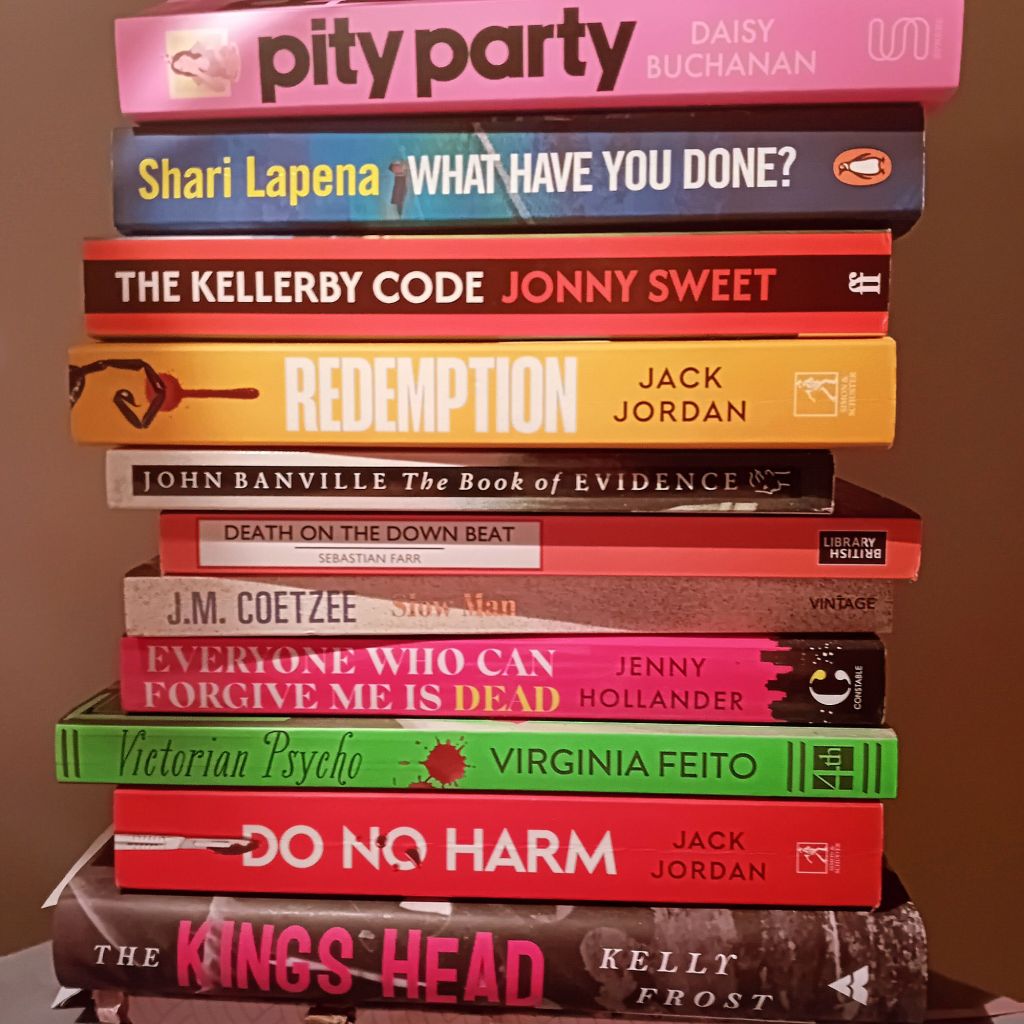
You don’t have to wait for everyone else’s permission to do something that you would like or love to do. I mean travelling, working in a new place, painting your flat pink, adopting a pet, buying too many books, writing a blog post because it has been ages and you’re rubbish at taking your own advice…you know what I mean.
You can never have too many books, especially unread ones… and always have your favourite tea bags with you, and you won’t be disappointed. What do you wish you had known? Let me know and thank you for reading. 📚. 😊
The D-Day Landings hold a special significance for Jersey. Often, those at the centre of history have no time to realise it, or indeed be appreciated for the essential part they each played in creating history and changing the course of world events.
Although they took place 80 years ago, starting in the early hours of 6th June 1944, the Normandy landings (known as Operation Overlord) should remain uppermost in our minds, and with good reason.
The beaches of Normandy are only a few miles away from us in France, and they remain globally significant as the site of the allied military campaign which witnessed the largest naval, air, and land, operation in history.
Whilst ‘Overlord’ did not bring an end to the war in Europe, it did commence the process through which victory in World War II was eventually achieved.
The military operation that led to the eventual liberation of Europe resonates strongly with us, with Jersey’s own liberation from occupation having taken place on 9th May 1945, the 79th anniversary of this having been marked last month.
The numbers are staggering to imagine. The Allies used more than 5,000 ships and landing craft to land 150,000 troops on five assault beaches in Normandy; Utah, Omaha, Gold, Juno and Sword. What an astounding experience it must have been to play a part in the Normandy Landings, but what a terrifying experience, too.
We know that British armed forces played a central role in D-Day and the Battle of Normandy, and more than 22,000 men made the ultimate sacrifice for freedom in this campaign, with more than 4,000 allied deaths occurring on the first day.
Amongst these staggering numbers, it is believed that around 60 soldiers, sailors and airmen from Jersey were involved in the battle. Just over a decade ago, 38 of them formed the Jersey Normandy Veterans’ Association.
Warfare offers little time for reflection. However, now we have time to consider those individuals who all played their part and to think of all those we know who have made sacrifices for what is often called “the greater good”; to defend principles and ways of life that thrive on tolerance, political democracy and peaceful government.
Whilst few amongst us can still recall the impact of the Normandy Landings, living in Jersey, we all benefit from a liberty that, we may take for granted daily. And yet signs of this are everywhere – in the way we live, the numerous languages we speak, in the flags we fly.
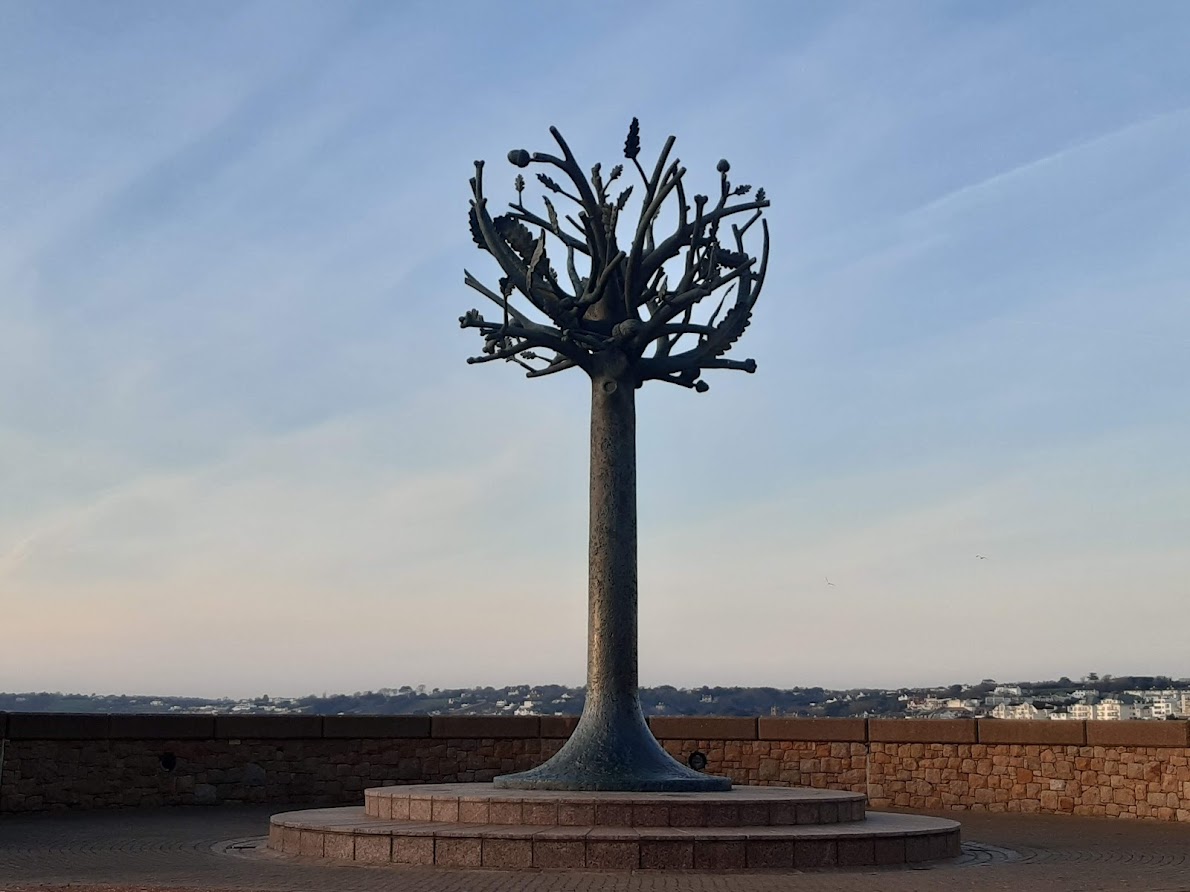
The sight of the Freedom Tree at the waterfront, so near our own beaches, exemplifies freedom, growth, and renewal. A visit to the Jersey War Tunnels recalls the reality and starkness of Jersey’s own occupation.
Surely, D-Day on 6th June 1944 was a catalyst for eventual Victory in Europe (VE) Day on 8th May 1945 and the beginning of a flicker of light in the darkness of conflict.
Today, we may be geographically further from the theatre of war, but we still live in a world marked by conflict. We think of those we know affected by the ongoing war in Ukraine, and of the continuing fighting between Israel and Palestine. Many of us remember the Falklands conflict, and growing up when the Troubles in Northern Ireland were brought into sharp focus on evening news bulletins.
We should not turn our backs and say, “it’s in another country” and continue to take the peace that we enjoy for granted.
To recall the D-Day landings some 80 years ago is take us back in time. It is to pay our respects.
We must not forget those who helped shape what Jersey is today, on the beaches of Normandy, a place of freedom for so many to call home. The past is not another country.
Someone to stay home with was all my desire And, now that I’ve found a safe mooring, I’ve just one ambition in life: I aspire To go on and on being boring.
(Excerpt from the poem “Being Boring”, by Wendy Cope)
THIS time last year, I had just ordered a McDonald’s (chicken nuggets, chips, and ketchup, to be precise), because I had found out a couple of hours before that my then partner had cheated on me, and it seemed like a very London thing to do to eat my feelings, via Deliveroo, at midnight.
An email had arrived from exotic lands, telling me of a relationship, with photographs attached, should I wish to view them. It was quite a shock.
That evening was a catalyst for a lot of change; giving notice on a flat we rented together, leaving an unhappy job and moving back to Jersey to take up an infinitely nicer job in the charity sector.
As it’s my chicken nuggets anniversary, as it were, I thought I could reflect on what a difference a year makes, and not just in terms of fast food. So here are a few musings on the past 12 months.
Relationships
It occurred to me that my former boyfriend had done us a huge favour by being with someone else. In truth, I had started to fall out of love with him a few months before after what had supposed to have been a wonderful short break.
When in Rome (as we had been), do as the Romans do…but don’t tell your girlfriend, on her birthday that she “needs to get sexy and healthy” (his words, not mine) and then go to sleep.
Do buy your girlfriend a card, rather than scribbling something on the hotel note pad in lieu of spending £3 on something in Paperchase or similar (does anyone else really miss Paperchase? I do).
Maybe also offer to pay for the plane journey, rather than say: “I didn’t think you would get the BA points if I paid.” It’s always nice to equate the value of your relationship to the cost of a return flight in the Club Europe cabin.
The Apps
Are you on any dating apps, I hear you ask. No, I’m not. I got tired of Tinder, and a woman who is tired of Tinder must delete the largest matching app of them all and go cold turkey.
Dating in Jersey is very different to dating in London, the main difference being, I haven’t been on any dates, because it’s a small place, and I’ve started to believe they are what happens to other people, like winning the lottery, or going running.
I’m also a complete coward about sending the first message; I just can’t do it. I imagine that this is the equivalent of a woman staring out from behind her fan (complete with eye holes) in the 19th century, but with a greater need to rely on mind-reading. I also read that you used to be able to make a number of signals whilst keeping cool, so I must try that out when I’m next in Waitrose.
Here, I also heed a bit of advice from my sister: “If someone likes you, they should want to be seen out in public with you and they can ask you out.” Good point.
That hasn’t happened for longer than I care to admit. Perhaps it’s the end of an era!
I’m not saying I haven’t met men in real life, but there haven’t been many, and of those, one asked me if I would do his cleaning if he paid me (!!!), and seemed surprised when I said no. This was after I had cooked us dinner. I’m surprised he didn’t hand me a nice packet of dusters on the assumption I would say yes, and ask me to start in the kitchen, as it were.
Good things
But there haven’t been so many good things about this year; a very enjoyable job for the first time in too long, seeing friends and family who I had not seen enough of whilst in London, swimming in the sea, going to Brazil (not a euphemism…) to do yoga and ride a bike on the beach, thinking about rescue cats and dogs to cuddle and speak to in silly voices, finding the courage to go to the Normans Timber Yard in Jersey toute seule, playing the piano, walking to the burger kiosk for tea and a sausage roll in the evening (also not a euphemism).
How typical that this post starts and ends with fast food. It may not last long, but if it makes you happy for a short time, it’s probably worth enjoying.
“When the world turns upside down, the best thing to do is turn right along with it.” – Mary Poppins
Mary Poppins Returns.
Happy 2023!
One of my New Year’s resolutions (in fact my only one) was and is to get back into my blogging habit. I don’t think that I posted anything last year, but there were good reasons why, including my relationship ending and coming back to Jersey to take up a new job, packing up all my worldly goods from London and saying that everything was fine. A lot.
I’ve also been hesitant posting about my relationship ending, because I felt ashamed about it. And I thought that, in my 40s, I wouldn’t have to deal with this nonsense.
My partner had left for a job overseas, but before he left, I had noticed that I wasn’t really discussed as part of his future plans, although maybe I should have noticed that when we went to Rome for my birthday last March (amazing place, you must go) and failed to show me any affection whatsoever.
On our last day there, he advised me to “get healthy and sexy” as if he was having to visit the Vatican with a large turnip, rather than his girlfriend of three years.
I returned to London completely bewildered, got another job that didn’t suit me whilst he was away and tried to do everything that being in a new flat, with a new job, entailed. I certainly didn’t act or feel single, but when you ask someone if everything is OK and they say it is, but they’re not really present, then there’s a problem. I was fine. Everything was fine.
To cut a long story short, I received an email telling me that he had met someone else. It contained photos of them together, showing that he had flown overseas (there are a lot of air miles in this tale), met with another woman (who was wearing a ring I wouldn’t have chosen, but beggars can’t be choosers…), smiling into the camera and holding hands. They danced, they kissed, there was a banner with his name on!
I knew he was in the photos (rather than his face being cut out on to someone else’s body), because I had bought him the shorts he was wearing. The email was sent to me by the woman he had met, whose charming missive (for which I had no warning), was to “back off…we are getting married.” And if that doesn’t ruin your Sunday night, nothing will.
My first reaction was to call a male friend who does not mince his words (Thanks M). He gave me some tough words of advice and after a while, I remembered why I lived in London and ordered fast food at midnight. This helped. Sort of.
According to my now former boyfriend, he had “been online one day, when she had just popped up….” and meeting her had been “a mid life crisis”. ” As a man” he said, “sometimes you have to do these things.” I’m sure all this is true.
I don’t know what I was more disappointed about – the clash of two amazing clichés, or the fact that I had asked if anything was wrong and had been told no. I would have much preferred to have been told in person, by him, before the photos whizzed my way. I am a realist. I know that all relationships go though bad and sad times, but if I’m no longer the person for you, just tell me.
Life since my decision to end things has been interesting. It turns out that I was sadder to leave London than I was about the relationship ending in many ways. I loved my flat and the life I had there. And he still insisted in splitting the returned deposit 50:50…
So what would I like from 2023? I have a few requests for the relationship gods, who currently seem to be on strike, or very busy helping other customers.
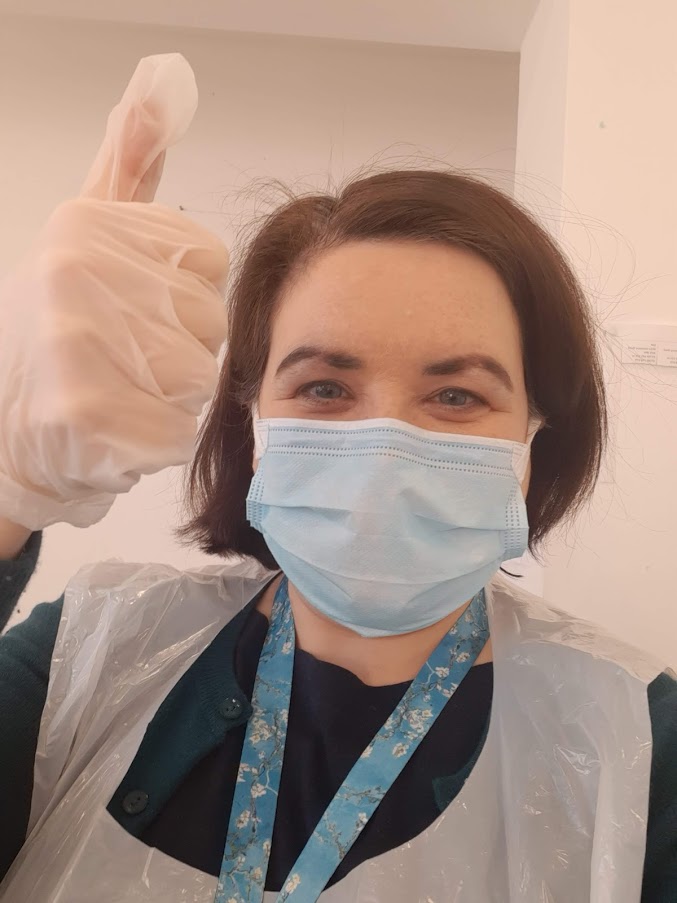
I just want to meet someone who’s there for the difficult parts of the life as well as the easier, fabulous bits. Someone who will share the cooking, drop me off at hospital when asthma strikes, sit there whilst I talk through my mask like Darth Vader, make me a great cup of tea and be proud to be seen with me. I can promise I will do all this too.
Maybe we will even go on holiday…After all, even turnips like a mini break, and there a lot of places waiting on my bucket list.
Wish me luck, have a great 2023 and thank you for reading. As Scarlett O’Hara said, “Tomorrow is another day!” And there are a lot of tomorrows left in 2023.
The last words, however, go to our heroine, Mary Poppins. “There’s nowhere to go, but up.”
In February this year, I wrote a piece for a newspaper discussing life in London whilst I was working in a homeless shelter during lockdown. At that time, of course, Sarah Everard, Bibaa Henry, Nicole Smallman and Sabina Nessa were still alive, as were 77 other women who had yet to die by femicide in Britain this year. They did not know that their decisions to walk home from seeing a friend, to sit in a park, or to go to meet someone in a bar would cost them their lives – nor should they have had to think about it.
The details that have emerged about Wayne Couzens approaching, falsely arresting, handcuffing, kidnapping, raping and murdering Sarah Everard left me in a state of anger and shock, to the extent that on the night of his sentencing hearing, I sat up until the early hours of the morning and wondered how society had got to this point – how did a man like Couzens become selected as and continue to serve as a Police Officer, which gave him agency to approach Sarah and to abduct her as he did? This was a man known amongst colleagues as “The Rapist”, who belonged to a WhatsApp group populated by Police Officers who swapped a range of what is being called “discriminatory material” with other Officers. There was the matter of an incident where he may (or may not) have indecently exposed himself, which was not investigated at the time. For comparison, one of the clients in the shelter I worked at who was a foreign national committed the same offence, receiving a fine that took months to pay off. His name was also added to the Sex Offenders Register for five years. It’s a serious offence, if taken seriously. In contrast, Couzens remained serving in the Metropolitan Police Force, unchecked.
In the immediate aftermath of Sarah Everard’s death (and just before some of the women who attended a vigil in Sarah’s memory were also handcuffed behind their backs and put to the ground), The Met stated that the safety of women was a priority.
Working in a shelter where our personal safety was threatened to the point that the charity and local authority were obliged to take out an injunction against a former male resident who was never visited by the Police to be warned about his conduct (although he had moved just down the road and we gave them his address), I would argue that women in London have not felt that their safety is, on any scale, a priority to the force.
However, it is another incident that has stayed in my mind, and which makes me question the statement of the Met prioritising female safety, even more. Two months or so after Sarah Everard was killed, a male resident (we will call him Resident A) threatened to kill me. He had spent much of my shift being rude, drunk and aggressive. At one point I had to stop him, with another staff member, from setting fire to another resident’s clothes with his lighter, as he “didn’t like the way that they looked at him.” As Resident A’s behaviour was so threatening, I called the Police and relayed the aggressive conduct, the attempt to set light to someone else’s clothes and the fact that we could simply not keep other residents safe with him in the building.
When the Police did arrive, the two male officers asked me why they were there. They seemed surprised by the fact that they could arrest the person in question for his threatening behaviour, sighed loudly and stated: “It feels like you’ve just called us here to uphold your rules.” Having taken no action, they left the premises.
When I inevitably had to call the Police back as Resident A’s behaviour had escalated, they did exclude him from the premises. We ensured that he had his money and travel pass. Resident A was warned not to return to the premises for three hours. Of course, he did return before this, angrier than before, and this time with his arm wrapped in a scarf that we believed could be concealing a pen or knife (he had been heard asking people on the street outside to borrow a pen).
As we could not let him back into the building, Resident A began to punch the front doors to the building, and then the window to the office that I had moved to, in order to be out of sight from him at the front doors. I called the Police again (counting each punch to the window up to nine) and they arrived once more, this time with their sirens on, to arrest Resident A, who by this time had made the threat to kill me and a security officer. It was a long night, with an incident report to write up afterwards – and it need never have happened. It is only right that I point out how protective the other residents were towards us, but they should not have witnessed this and should not have been put at risk either.
How was this episode in any way putting the safety of women first? What were the Police waiting to happen and why did they enable this situation to escalate to the point where someone could have been injured, or died? I don’t know the answer to this question. When I complained to the Met about this incident, feeling that it could have been avoided entirely, the response was a phone call a couple of weeks later and the statement: “Those Officers aren’t two of mine, but I’ll have a word.” I never heard from the Met again, and in all honesty, I did not expect to.
Other incidents at the shelter showed that the Police found it difficult to put the welfare and safety of females to the fore of their minds.
From time to time, clients would be arrested. Inevitably, an all-male policing team would arrive to arrest vulnerable women. We would question this, and staff would insist on remaining present during these episodes, to try and protect those under arrest. One resident arrested was a woman with significant trauma and mental health needs, another resident dropped from the window of her room when the Police were on site, breaking bones and spending several weeks in hospital afterwards. She survived, but why was the method and manner of arrest carried out in such a way that risk was so heightened? One way to try and contain such situations would be to ensure that mixed male and female teams operate wherever possible. I know that shift patterns make this difficult, but it would be a start.
The shelter was, though, one of the few workplaces that I have experienced (and there have been several!) which could describe itself as being truly diverse and where the team supported each other when the going got tough, as it often did. We are still each other’s work family.
Chauvinism, misogyny and everyday sexism are often insidious, but they all start somewhere. It was evident at the shelter when the male residents chose to shout at and try to intimidate the female staff but did not behave in this way with the male workers.
It is ingrained in many of our schools, our culture, our language, and our workplaces. Recalling sixth form, I remember a male teacher who had a Page 3 picture on open display in his classroom. He would ask me (one of a few girls in an otherwise all male class) “if I liked his calendar.” I didn’t, but what do you say? Why were we put in this situation? I couldn’t change to another class. This picture stayed there for other year groups of much younger boys to see. The same teacher didn’t like it when girls spoke up and once told me to “go back to my pots and pans”. This was puzzling, as I hadn’t done Home Economics for some years. Some readers may think this is an inconsequential example, but what do we expect from male pupils if their male teachers don’t set a decent example of treating all students with respect?
The chauvinism continued, shown in small acts of denial. No, I couldn’t join the Oxbridge preparation group as it was “full” – full of boys and the men who taught them. And with everyday sexism, there comes a quiet, creeping acceptance that this is “just how it is.” As women, we are all too often embarrassed, silenced and humiliated into not challenging these moments of exclusion, that all too often become a daily occurrence before we have even left school.
I have worked in law firms whose conveyancing department walls were covered with Daily Star Page Three girl pictures (this goes back to when I was a 16-year-old Project Trident student – remember that?). I was given a copy of a pornographic magazine on a mini-pupillage and asked to “fact check it for errors” by a jovial male barrister.
On the gentler end of the scale, I have witnessed in more recent years, the parade of the (still) all white, all male, discussion panels and conference delegations from firms that should know better, places that themselves advise on discrimination matters. I know those who turn down invitations to speak on single gender panels and admire them, because by refusing to participate in the status quo, they promote change. If you believe in the equality of your employees, why not ensure that a balanced proportion of them attend the conferences that your firm pays to attend? Why not ensure that they too have visibility, a platform and a voice? It’s about treating every employee as an individual, giving everyone in your organisation the same opportunities for training and promotion. I don’t think that this is an unreasonable or unworkable proposal. Before anyone tells me to “go and join some women’s groups”, I don’t think that creating separate networking forums solves the problem, because this can lead to further segregation.
When I ask female friends about the everyday sexism that they face (everything from unhelpful comments in the workplace to tackling the gender pay gap – a whole other article), they all say the same thing: “I’m so tired of it.” We’re all tired of it – of not seeing ourselves reflected in meaningful numbers in high-level government jobs and in other senior roles, tired of calling it out, of willing everyday sexism and toxic masculinity to also be challenged by other men so that it will change more quickly, so that, ultimately, we can all be respected at school and work and stay safe as we choose to walk home.
Sarah Everard. Bibaa Henry. Nicole Smallman. Sabina Nessa. All women like us. They did nothing wrong. They should have got home safely.
Only when every institution has the courage to challenge the reality of everyday sexism and to stop it becoming misogyny, will these patterns start to change. Thank you for reading.
(This post was first published as an article in the Jersey Evening Post on Saturday, 9th October 2021).
What an interesting few months it has been. Had anyone told me this time last year that I would be a Support Worker in a COVID-19 shelter for homeless people, I probably would have laughed over my Leon desk lunch, safe in the green lung of London’s Lincoln’s Inn Fields, where bad things don’t appear to happen behind the genteel facades of its law firms and barristers chambers. When unfortunate things do happen, they tend to be punctuated by non-disclosure agreements, items packed in branded boxes and then never being spoken of again.
Fast forward to mid 2020, and I was slightly stuck. No longer required by where I had been working, and being rejected for every other job I had applied for (and sometimes not even rejected, just left to wonder), I began to think about what else I could do apart from freelance BD and marketing work, which, let’s face it, wasn’t overly required by many firms last year. I was also slowly realising that the parts of the London legal industry I had worked in were often what we refer to in 2021 as “toxic work cultures”. If by nature you are a communicator and a talker, it isn’t long until you dread going into a largely silent work environment to be either a) ignored, b) micro-managed, or c) enduring a maddening combination of both.
This tends to be exacerbated by some lawyers assuming that the non-lawyers amongst them are all a bit stupid, and that business development and marketing are merely irritating distractions from their Very Important Jobs. Apparently, social media posts, news releases, legal directory submissions, brochures and marketing plans write themselves, and events just happen. If I heard the phrase “Thank you for your efforts” once, I heard it on… maybe ten occasions. Anyhow, I digress.
And so began my journey from being “the Marketing Girl” in Holborn to a very different part of London, where I now work for a homelessness charity as a Support Worker. Since I arrived back in London in October 2018, I had been struck by how many more people were and are living on the streets of the Capital. Even a quick glance around Lincoln’s Inn, the Strand, Waterloo and Kings Cross tells you that there is a massive homelessness problem here. The question was and is, what can we do about it, and is it as simple as giving people, all of whom are individuals with their own complex needs and problems, a roof over their head?
I’m here to tell you that it’s not that simple, but that we absolutely must keep trying not to fail those on the streets. Here is what I have learned so far:
A Support Worker has a difficult job to do, often for not much more than the minimum wage. If we don’t work, we don’t get paid. As with most roles (and particularly at the moment), some level of sickness is inevitable. All the clapping and banging pots in the world does not pay the living costs of a keyworker who are themselves suffering from Covid. Neither does being told that we are “doing God’s work”, or that we are “angels”, nice as this is to hear.
Support Workers get placed at risk, every day. We’re sworn at, abused and challenged. Judging from how I have been spoken to, there is also an assumption by some who work in Local Authorities that we are low-skilled and not very bright. In contrast, we’re multi-skilled. We’re listeners, first-aiders, administrators and counsellors, cleaners, problem-solvers and tea-makers. We’re team-workers and doers and the work and worry for others doesn’t stop just because your shift does. We work in buildings with insufficient cameras and ventilation. At one point, we were told to see clients outside, under a gazebo, rather than in the office, in January, to combat this problem. Oddly enough, this suggestion was not workable.
Last week, I checked in a new resident for our service. All I was told was their name and age. They were dropped at our doorstep with only a few belongings and no other details. After spending an hour with this person, a number of concerns became apparent. Only hours later were we provided with a Risk Assessment and a Psychological Evaluation to confirm that the person in question had a number of serious mental health problems – but no medication.
Worryingly, the risk assessment stated that the individual in question had threatened to stab, rape and kill a female worker at another service. It’s always a comfort to be told “no lone female working” after the event. Lesson to me – always assume the worst and don’t be naïve. And yes, I had my phone and radio with me. When I challenged the Local Authority about this incident, it was classed as an “oversight”. Our work is “appreciated”. They “apologised”, but did not seem to feel that they had been negligent. I suggested that a short call to me, just to check in, might be in order. I’m still waiting.
In addition, the Covid prevention message is just not getting through to many homeless people. Many of our service users tell us that they don’t believe in the existence of Covid, so when tests are provided, these are not taken up. Covid is often not on the radar for those in mental health crisis, those who have a myriad of other health problems or those with alcohol or drug dependency. As one of our residents said to me last week: “I’ve just given up trying to seek medical help.” Many feel judged and badly treated by hospitals, others won’t stay when they are admitted. You could say that my persuading and influencing skills have been put to the test. I have even more respect for the work of paramedics, having called more ambulances in the past few weeks than ever before. I have also become adept at begging GP surgeries for telephone appointments.
So, why did I become a Support Worker? Because I needed the change and I was impressed by the interview and selection process, which included passing an enhanced DBS check. I work in an incredible, supportive team and we all bring our different experiences to the shelter. I call them my work family. We work with other essential charities and services that I did not know existed, until recently. We keep each other going. We all had our first Covid vaccines last week and there was a good atmosphere. We even received a sticker.
We have our quick wins, our little victories and we have each other. Some clients move out after we have helped them to get back on their feet and they stay in touch. Some residents say I nag them, but then say it’s nice because it shows someone cares. They often have not had anyone to say well done, or that they are proud of them. And ultimately we do this job because we care, because we can’t all look away and say that homelessness is someone else’s problem.
I’m not sure what the future holds, but I hope that the shelter I am working in stays open and that we all stay safe. Most of all, I hope that those working on the charity frontline receive the recognition and respect that we all deserve, and that the people we work with receive this as well.
Living in interesting times certainly does not mean living in easy times, and the keyworkers on the front line all deserve something more tangible than long-forgotten applause. Adequate security cameras and ventilation would be a good start.
Today was one of the best days I can remember since lock down began and we all started living differently. I have worked out that it is more than three months since I have worked in an office setting after losing my job in March, and, perhaps surprisingly, I have also worked out that I have been a lot happier since this has happened.
Don’t get me wrong, lock down has been a challenge and I want to get back to work. There has been a slight culture of fear, and like most asthmatics, I have been on edge about Covid-19 getting into my lungs. Until last week, I had not taken the tube since March and central London is still something of a ghost town.
I have felt lonely (as those of us who live by ourselves sometimes do), and have overdosed on sleep, social media, the news, custard creams. My social highlight has been going to the nearest M&S food hall and nodding over my mask. On my daily walks, people don’t smile or say hello, so I have let my one-woman campaign to greet everyone I meet, grind to a halt. I now talk to the neighbourhood cat, instead.
And, when I really want to depress myself, I look for a job (this was and is a daily occurrence), and what an eye-opener that has been.
Should you ever wish to feel like the Invisible Woman, may I suggest hunting for a new job during a time of a global pandemic? It may be that 99% of my applications have disappeared into an online black hole, because this would explain why very few organisations could bring themselves to respond to my CV and fabulously well-crafted covering letters. As about 1000 people have said to me: “It’s tough out there.” This observation is usually made by those in employment and / or recruitment agents, with whom I’m bound to agree.
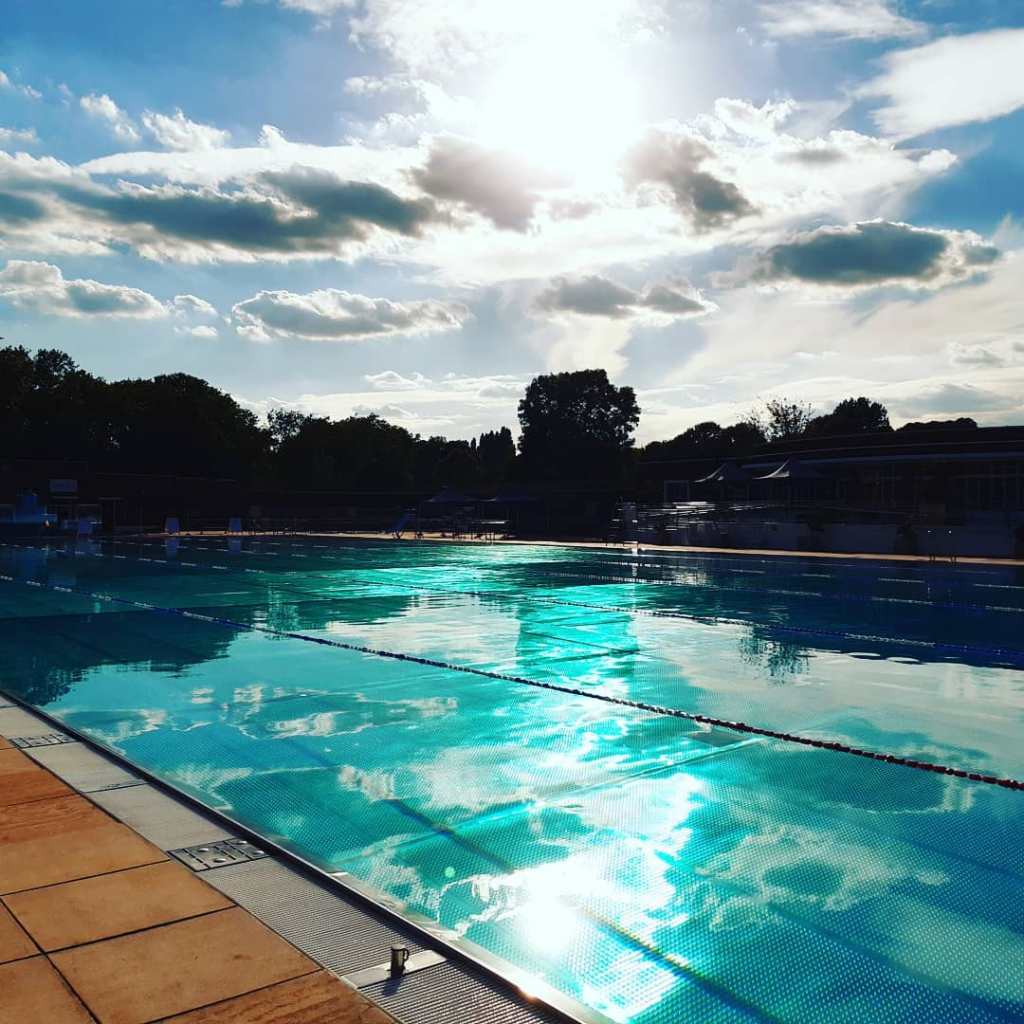
Today though, was the best day I can remember or a long time. Not since finding out that I had achieved “informal discussion” status with a law firm have I felt such happiness. It’s because I had a Golden Ticket in the form of a confirmed place to swim at my local lido. Ten minutes before we were allowed in, a happy gaggle of swimmers stood outside Parliament Hill Lido like children going on a school trip to a fun place. Complete strangers looked at each other sand said: “I’m so excited! Are you excited? Isn’t it great to be back?”
I dived in (to the slow lane), swam up to the surface and spent 45 minutes swimming in the unheated 60 metre pool. People were smiling at each other and no one grabbed your feet, as you had to swim five metres behind the nearest person. I didn’t worry about being unemployed, about global recession, about being lonely, about Covid or where or when my next job interview might happen. I was just happy to count (or guess) the lengths I was swimming and then to dry out in the sun like a happy seal on its favourite rock.
Today, I feel as if I can do anything. Whatever the question, the lido seems to have the answer – by taking the question away for a golden hour, dappled by the sunlight on its inviting waters. I have already booked my ticket for Friday – and I have two job interviews in the near future. Who knows what might happen? Wish me luck – and happy swimming, or whatever it is that makes you smile.
On reflection, I suppose that there could be better times to be searching for a job, in marketing and business development, in London, than in the present economic climate.
However, this is where I find myself, along with thousands of other people up and down the country, whose lives have changed in the past ten weeks, in that we are now what I believe actors call “resting between jobs.”
One thing that isn’t really discussed in lockdown is the feeling of having too much time. It’s not the done thing to say that this might be an issue when others are juggling family commitments, a heavy workload and childcare, but I have so much time at the moment that I’ve revised my CV three times (don’t worry, I haven’t made up any jobs), started an MSc course (which I’m enjoying), applied to volunteer post lockdown, re-planned my website (to be re-launched in a flurry, soon), considered writing that eternally distant novel and made a lemon cake. I also know most of the walking routes around Belsize Park and the M&S food hall is a treat for the senses.
Unfortunately though, I’ve also started to realise that I use LinkedIn like other people use Tinder.
By this terrible admission, I mean that I experience a small frisson of excitement every time someone (often a mysterious avatar called a “Recruiter”) views my profile. I have actually read the “thought leadership” pieces publicised on there and sometimes I leave jolly yet insightful comments on people’s posts, as well.
But, I have something else to confess, reader. Yes, you guessed it. I’m now paying for Linkedin Premium, in the hope that it will lead me to my new purpose in life, job-wise. And, according to LinkedIn’s mysterious ways and means, I can now find out if I’m in the top 10% or 50% of potential applicants for a role so that my chirpy, tailored cover letter does not go to waste. Rather soberingly, this upgrade will also let you know how many applicants there are for the role. Sometimes it’s in the hundreds.
There have, however, been one or two mishaps along the way, perhaps most notably when I thought that being a “Director of Fiscal Events” for a government department meant planning high level financial seminars. It didn’t.
Apparently, fiscal events are something that the economy goes through or into. You could say that we are in one now, in fact. I believe it’s called a recession. Perhaps I should have applied after all, or suggested that “Fiscal Events – Director” would be a better way to list this responsible sounding opportunity. Hopefully there isn’t a confused recruiter out there, wondering why loads of “Experienced Event Managers” are suddenly getting in touch, talking about delegate journeys.
Either way, me, my event timelines, social media skills and clipboard were not called for at that juncture. Other strange things have also happened – because I have a law degree, LinkedIn suggests that I go for high level legal roles that I have no chance of filling, but nonetheless it’s nice to think that I could, in another life, be an “Events Lawyer”, as suggested a few days ago by its indomitable (and optimistic) algorithms.
Still, I plough on. I search for and save jobs. I apply for them, note down the details and…..and then I hear nothing. I suspect that it isn’t just me who is in this situation.
Now, I know that this is a really tough time for us all. It’s almost unbelievable and quite frankly, scary. Recruiters and employers must feel like they are set in aspic and the economy is in a state that many of us will not have witnessed before in peacetime.
However, my understanding of LinkedIn is that it is, first and foremost, a recruitment and networking tool, although once a very kind looking gentleman who I did not know, did get in touch with me on there to say: “Hi, how are you doing…” a clear waste of his InMails.
At the moment though, it feels like more of a vacuum, as the client briefings and “Going Forward from Covid-19” pieces have started to dwindle. That said, I’m fascinated by people’s homes as they provide an off the cuff video update, often in casual wear.
So, (and I really hate it when people start sentences with “so”, but these are unprecedented times), I’m making a request.
If I apply for an advertised job with your firm or through your agency, it’s because I would like to work for you, because I need a job, and moreover because I can actually imagine myself being good and effective in that role.
To not hear anything (and not to even have a CV and application acknowledged), whittles away at applicants and becomes fairly soul destroying after a time.
Friends can’t help but ask how the job hunting is going, and it’s a bit awkward to keep saying: “Oh, yes, fine…you know” whilst finding it ever so slightly embarrassing that nowhere you have applied to work has provided any feedback or even used the word “No”, if only so you can cross that one off the list and keep trying to find something else.
I don’t want to come across as whingeing, ungrateful, demotivated or entitled, or at least not all of those things at once. But I think that all job applicants are entitled to something – and that’s the courtesy of a response to their application to your agency or business.
In the meantime, fellow job seekers, keep smiling, keep trying and keep your spirits up. If nothing else by the end of lockdown, I can add “baking” and “writing” to my hobbies.
And, if I’m called to interview somewhere, what are my key qualities? Resilience. Getting back up. Believing that the best is yet to come.
Thank you for reading. Hopefully, I shall not be “resting” for too long.
Bumble, Happn, Hinge, Inner Circle, The League, Tinder. When the list of dating apps out there begins to sound like a rundown of The Shipping Forecast, you know that you have to get onboard, or risk landing on the dating rocks.
I’ve previously heard it said that those who are single in London are either dating via an app – or they’re lying. I’m now here to tell you the truth. We’re all scrolling through the app that looks like a flame / arrow / bee / hinge / and hoping for the best. A lot. This may or may not result in a date. You will note that I say “date”, singular. Don’t get your hopes up.
I’ve been back in London for five months now and I would be lying if I didn’t say I hadn’t been on Tinder and that I haven’t been on several dates. I even managed a relationship for two months, which in the 21st century felt like nothing short of a miracle. On closer inspection, it was a terrible relationship, largely because the man in question decided that “he didn’t find me attractive, but it was hard to get company.”
Yes readers, those were his final words and ever since I “set him free” by storming out of his flat on New Year’s Day into a waiting Uber, (dragging my own case as he stood there and asked me if I had forgotten my pen…) I’ve had a real love /hate relationship with dating in London. Still, let’s not forget the spoils of his festive gifts to me: an apron and a woven jewellery box, which when spied by my sister, received the verdict: “Well, Co, at least you can take it back to the charity shop now.”
I say dating, but anyone out there who is single and has ever dated, anywhere, will know what I mean, you’re picking your way through a minefield which you can only navigate based on the Tinder Odds. The Tinder Odds are, on paper, good. You scroll – left for no, right for yes and if you have both swiped right on each other’s profiles, the three immortal words, “IT’s A MATCH!” jump across the screen, a bit like a dating fruit machine. Theoretically, you can then start a conversation. And this is where it gets tricky.
I’m a bit old fashioned. This means that I’m not sitting there behind a virtual fan, being all coy in my geisha outfit, but I just cannot send the first message. I can present to lots of people, I can stay calm in a crisis and I can cook for many mouths, at once, in a tiny kitchen. I just can’t take the first dating step. I lasted two days on Bumble, which prides itself on being female-led in its messaging set-up, because I could not say that first hello. It’s 2019, but I still need the man to do the asking. I know. I buzzed off.
Let’s do the Tinder maths. On a conservative estimate, let’s say that you have swiped through 200 pictures. Here, I’m discounting the pictures of men with no face but who do have a naked torso, the ones of quotes taken from Fifty Shades of Grey, the ones with photos of a woman kneeling down (he wants a sub) and the ones with a masked man licking stilettos (he wants to be dominated and you can make him clean things, too). I’m editing out the ones of a silhouetted man and woman that say: “We’re a couple who love to play” (please – get out of my pond) and disregarding the ones where you can just see a pilot’s epaulette, a suit and tie or a huge, expensive watch, and the words “It’s complicated, I’m married, but my wife knows I’m on here.” Of course she does. And I’m Cinderella. A lot of profiles start, funnily enough, with the words: “Don’t judge.” I have no intention of judging, I’m too tired.
So what of the magical, disappearing men of Tinder? The ones who want a second date seem to be rarer than the drugged tigers that they are often stroking in their profile pictures. And those are the ones who don’t have a picture of them with their ex in their photo deck, but with her face scribbled out like he’s used a sharpie.
And men have their own complaints. Apparently there a are a lot of women online who think that the best way to get some interest is through the use of Snapchat filters (I didn’t know that grown women actually did this) and can, apparently, attract a first date mate by judicious use of bunny ears, a kitten nose or little fairy stars and flowers around their face as they search for a Sugar Daddy.
So, on to the dates themselves. Maybe the 200 profiles you viewed have resulted in 10 (or 5%) “likes” and five of those are mutual. Out of that final five (2.5%), perhaps you will exchange a couple of messages with two. And then, maybe one of those potential partners will have “unmatched” you, as I watched two male friends do the other night, as they are “only on Tinder to see how many matches we get – we don’t actually want to meet anyone on there.” Oh. Right.
That said, there have been some memorable first dates. Most recently, I met someone who kindly observed that in his view, I had been to a “Tier 2” University (which was news to me), and crossed himself before we started to eat dinner, the one where the man had a photo of himself piloting a plane as his screen saver (I saw this as he pointed it out to me: “Look! Look at my phone! At least I get to look at myself flying – isn’t it great?” Yes, it’s marvellous). And the one where the gentleman in question (and he was a gentleman) had obviously been “49” for quite some time. Maybe for 10 years.
Of course there has been fun along the way, and I expect you’re wondering why I come back to the dating app like a moth to the tinder flame. As I summed it up to one friend: It’s a lot of false starts and sometimes it feels like false hope. But, as the married silhouette men say in their profiles: “Don’t judge. I’m only human.”
I think it’s fair to say that the past couple of days haven’t been so good. I would usually just blame Valentines Day, but I’m getting too old now, and besides, it wouldn’t be true.
Instead, asthma has struck again, creeping up slowly like the mist over a hill, and I’m writing this plugged into my nebuliser after seven days on steroids and the same on antibiotics, plus my usual inhalers.
I’ve only taken 7000 steps today but it has felt like climbing Kilimanjaro and I slept for two hours this afternoon…and the same the day before that. This makes up for not sleeping at night (good old steroids) and the fact I’m like a furnace, although it’s hard to tell which is temper and which is temperature.
Lying down post nebuliser, my heart is pounding like it has done a marathon when it has just had to make the stairs. I feel heartbroken and emotional and like I have lost my clown shoes, and it’s all down to my lungs.
I’m also hungry (steroids), angry (steroids) and tearful (steroids). Happily I have an asthma review on Monday to discuss further treatment, because things cannot go on as they are before I become a sobbing, wheezy heap.
Brittle asthma is expensive. In extremis, Taxis to work get you there and back so you don’t walk in gasping for breath, and so you don’t have to ask for a seat on the Tube (An “Asthma on board” badge doesn’t have a smiling induced turn of phrase about it).
When I do travel, I always walk downhill in the mornings so my lungs get to wake up gently. They don’t like inclines. And – if one more person tells me to breathe through a scarf, I will wrap it round their neck.
Asthma also makes you fatter. By day three on steroids, I look like a potato, a delicious combination of being ravenous and having water retention. My eyes disappear into a rounder than ever face and my 40 year old body no longer metabolises the tiny pills like it once did.
Usually I am a positive person. My clown shoes are normally polished and stepping out. However the steroids and being tired make me weepy.
So far today, I have cried about a US Space robot going to sleep on the Moon, London’s homelessness problem that I can’t solve and really just bring honest that I sometimes find it scary and lonely living by myself with illness.
I feel embarrassed describing my sense of despair and and hopelessness after a week of not being able to breathe very well. I feel ashamed that I might not be able to concentrate at work as well as I should (steroids again) and emotional when anyone is kind, or unkind. Usually it’s because they are kind.
So, what to do? Take it slowly, have the asthma review and be honest that I’m not always ‘fine’. In short, one step, and one day, at a time.
Sorry for whinging – but thank you for reading. Deep breaths.


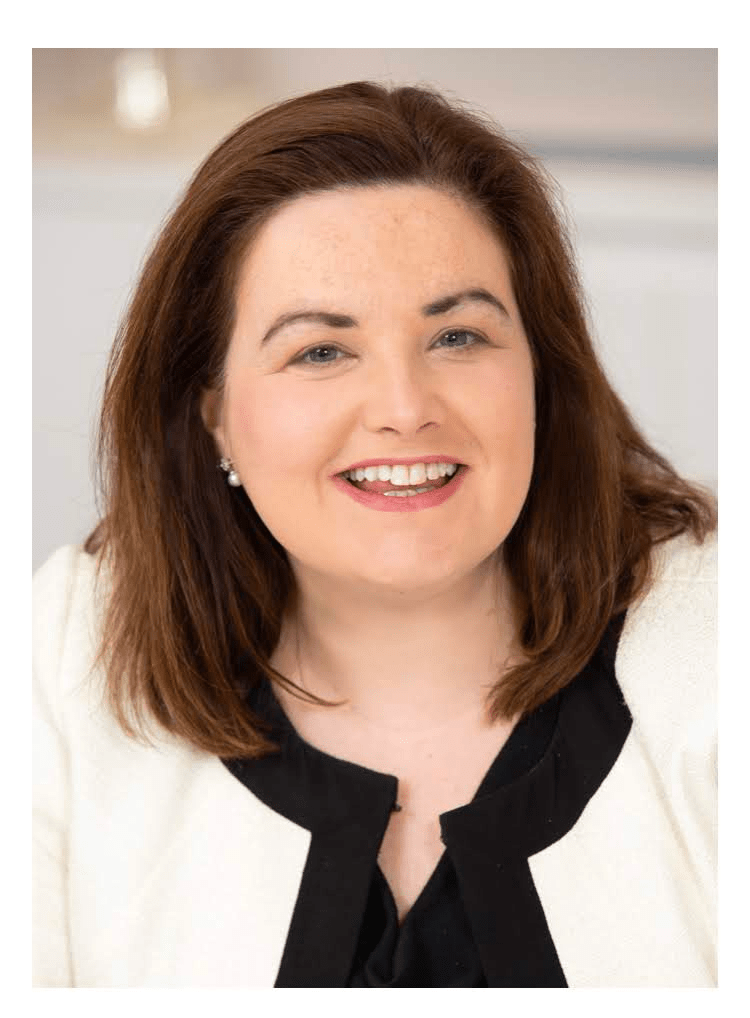
 Sarah Nibbs